
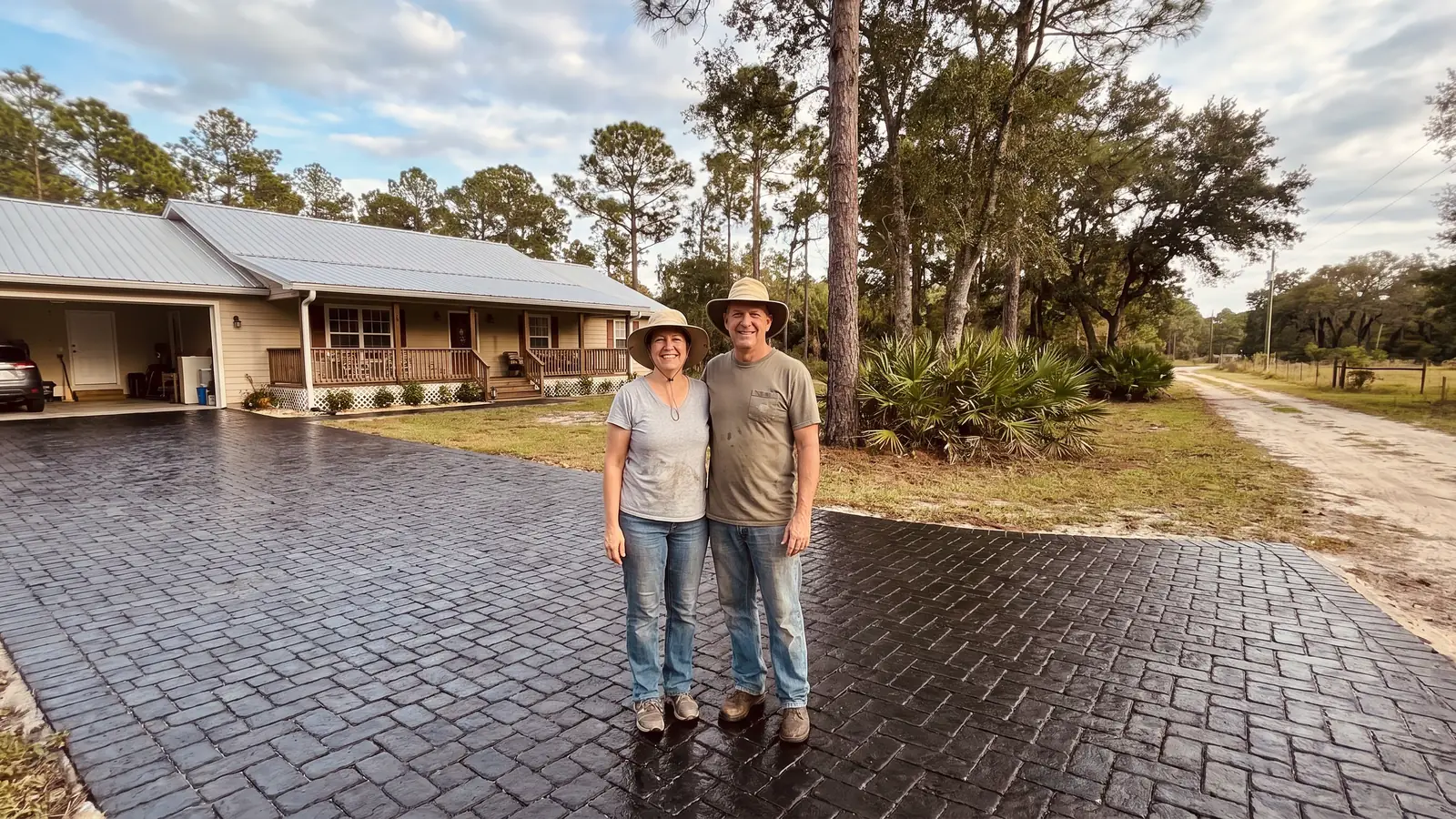
Paver sealing for San Marco homes
Paver Sealing in San Marco, FL
San Marco courtyards of brick and stone need gentle cleaning, so call (904) 875-8988 for a free paver sealing estimate.
- Brings out deeper paver color
- Fresh joint sand helps lock pavers in place
- Gives weeds less room to grow
- Makes the surface easier to keep clean
- Free estimate, no obligation
Request a Free Estimate
Free, no obligation.
Fast, careful paver sealing in San Marco
Paver sealing is available across San Marco, from the streets around San Marco Square to the blocks near the river. A local contractor can wash, re-sand and seal courtyards, driveways, walkways and pool decks, with a free estimate to start. Right after you ask for a free estimate, a reply follows within 1 business day, usually much sooner.
Your courtyard pavers may have gone dull, with dark mildew in the corners and a white film near the pool. A careful wash, fresh sand and the right sealer can bring back the even color you remember. Call (904) 875-8988 to describe your surfaces, and the contractor will say what the job takes.
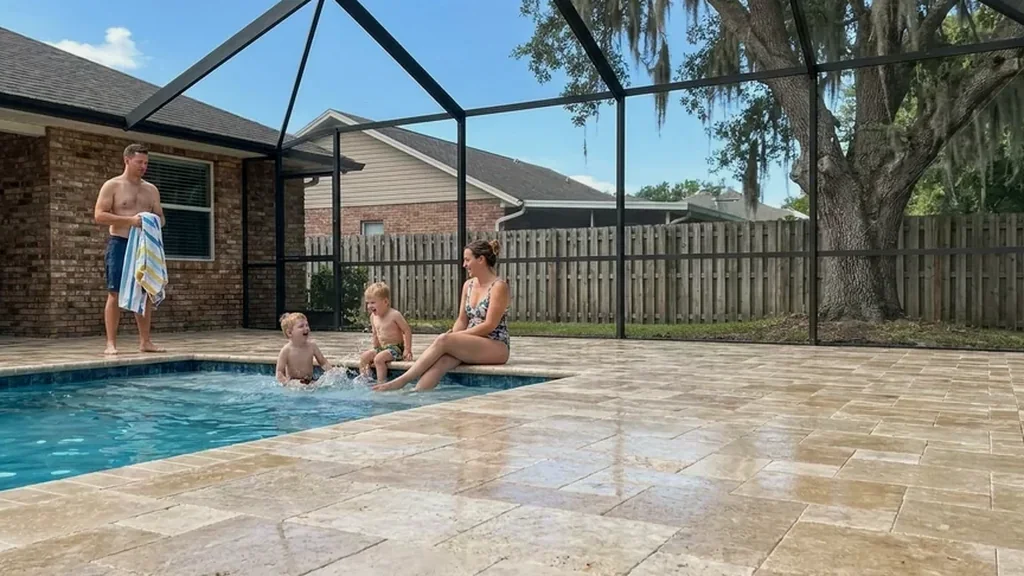
Why hire a local paver sealing contractor in San Marco?
San Marco has historic homes, tight lots, old brick and stone beside the pavers, and some rules about exterior work. A local contractor knows to plan around all of it, so call (904) 875-8988.
A free walk-through
The contractor looks at your San Marco driveway, courtyard or pool deck and quotes a price. The visit carries no obligation, and you do not need a decision on the spot.
The price range, in plain numbers
Companies around Northeast Florida publish $1.75 to $3.25 per square foot to clean, sand and seal. Hold any San Marco bid up against it.
Care for brick and stone
Brick and natural stone are more porous than concrete and need different sealer chemistry. Ask the contractor which product is planned.
You make the call
You choose the finish and the date, and you decide whether to go ahead. Check historic rules first if your home is in a district.
Get Your Free Estimate in San Marco
Tell us about your pavers in San Marco.
Free, no obligation
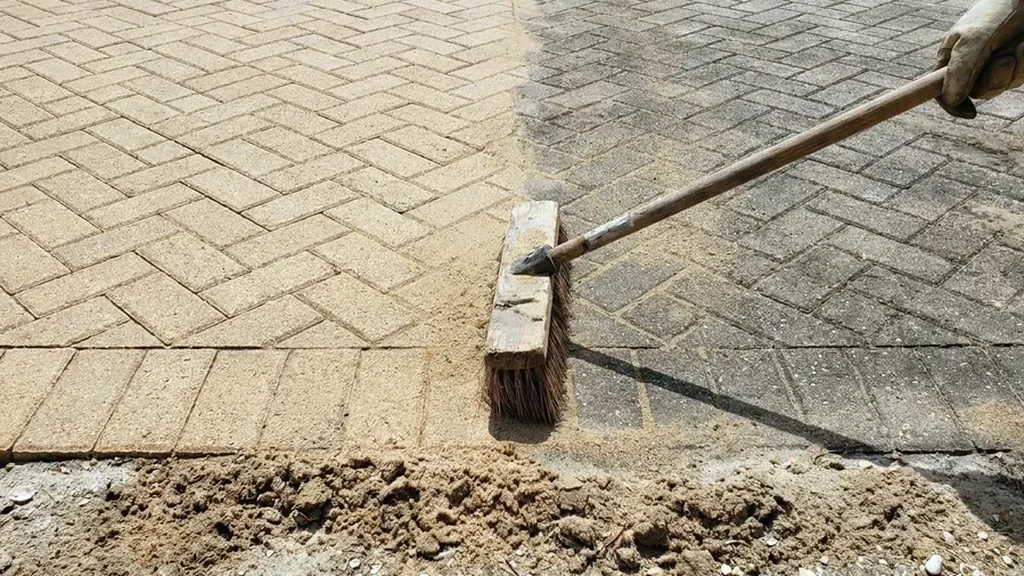
What paver problems show up most in San Marco?
Brick and stone that soak up sealer
Safe Touch describes San Marco as historic brick, tight lots and courtyards. A Jacksonville company says brick and natural stone are more porous than concrete and need different sealer chemistry. A brick maker's FAQ warns never to seal over damp, dirty or hazy surfaces, since the problem is locked in. That makes testing a small area first a smart habit. It also lets the contractor show you how the finish will look before the whole courtyard is done. A courtyard is often a mix of brick, concrete pavers and stone, and each one takes sealer differently. A good estimate names the product for each surface.
Shade and mildew under oaks and magnolias
San Marco has fourteen parks, and several are shaded by large oaks and magnolias. Landon Park, Belmonte Park and River Road all show how much canopy covers this neighborhood. A Jacksonville company says shaded pavers grow black mildew fast. Leaf tannins from oaks along the street also stain driveways. Sealing over those stains would keep them, so cleaning comes first. Expect the darkest spots under the thickest branches. Live oaks on River Road and the shaded parks mean heavy canopy in many blocks, and shade keeps mildew coming back. Pruning, where the rules allow it, helps a coat last longer.
A water table that rises after rain
The USDA says the Ortega soil, first mapped in Duval County, is moderately well drained sand, with a water table that can rise within 48 inches of the surface for a few days after heavy rain. Rain adds up to about 52 inches a year across Jacksonville. Wet ground keeps pavers damp longer. Sealer needs a dry surface, so the schedule can shift. A courtyard that stays wet a few extra days is normal after a big rain. Lake Marco and Craig Creek are reminders of how much water sits near the surface. Courtyards close to them can take extra drying time.
Splash-out and chlorine at the pool
One Jacksonville company says pool decks in San Marco and Riverside see chlorinated splash-out that dries white on the surface. Pool water, sun and wet-dry cycles wear a deck faster than a front walk, which is why many decks need a fresh coat sooner. A wet-look coat can be slippery, so ask about grip. The cleaning step matters here as much as the coat. White splash-out marks are easier to remove before sealer covers them.
Old sealer on older courtyards
San Marco broke ground in 1925, and some courtyards and walks have been redone more than once. Old failing sealer may need stripping first, and efflorescence, the white mineral haze, needs treating. A water-based product cannot be used over a solvent-based one. A small test spot helps sort out what is already there. Ask the previous owner or the last company for the product name if you can.
Do I need approval to seal pavers in San Marco's historic areas?
It depends on your address. The City of Jacksonville requires a Certificate of Appropriateness for exterior work in local historic districts and on local landmarks, and it names driveways as an example of site work. The city page does not mention sealing by name. Check the Land Development Map for your address, then ask for a free estimate once you know what applies.
San Marco began in 1925 as an 80-acre Mediterranean-inspired development with winding streets and planted medians. Colonial Manor, South Riverside and the area around San Marco Square have different house styles side by side. The Red Bank Plantation House from 1857 stands in Colonial Manor. When you call (904) 875-8988, say if you are in Colonial Manor, South Riverside or near the Square.
Tight lots and courtyards are common, so the work often happens in small spaces beside brick walls, fountains and plants. A contractor who protects those surfaces from runoff earns the job. Lake Marco began as a clay pit and is shored up with a concrete seawall. If you live near it, ask for a free estimate and mention the low spots.
What does paver sealing cost in San Marco?
Northeast Florida pricing for cleaning, sanding and sealing is commonly listed at $1.75 to $3.25 per square foot. In San Marco, brick, travertine and mixed surfaces can move a job within that range, and failed old sealer must be stripped first. Dense travertine and high-quality natural stone may be left unsealed, one Jacksonville company says. To price your own pavers, ask for a free estimate.
Tight courtyards, gates and stairs add prep time, and smaller jobs cost more per square foot. Expect prep to take two to three hours for every hour the sealer is on, one Jacksonville company reports. Pool decks need extra masking around equipment and drains. A call to (904) 875-8988 is enough for the contractor to say which of these fit your home.
| Paved area | Typical example | Clean, sand and seal |
|---|---|---|
| 300 sq ft | Small patio or walkway | $525 to $975 |
| 600 sq ft | Two car driveway | $1,050 to $1,950 |
| 1,000 sq ft | Large driveway or pool deck | $1,750 to $3,250 |
| 1,500 sq ft | Driveway plus pool deck | $2,625 to $4,875 |
Math based on the $1.75 to $3.25 per square foot that Northeast Florida paver companies publish. Your contractor sets the actual price after seeing the surface. Repairs, leveling and stripping failed sealer are usually extra.
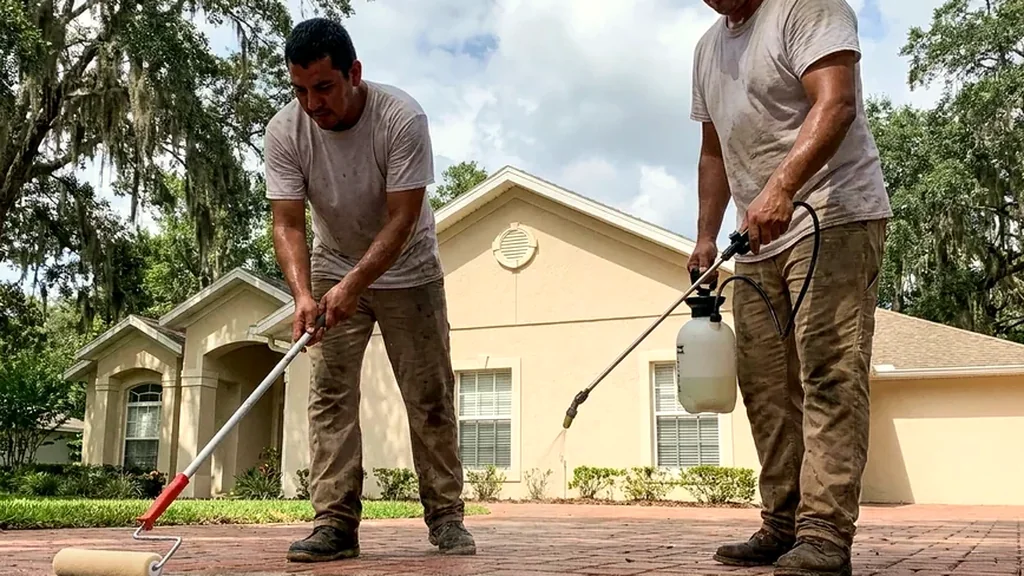
How does a paver sealing job work in San Marco?
Walk the courtyard and identify each surface
The contractor notes if your surface is concrete pavers, brick, travertine or a mix, and checks for sunken spots, thin joints and old sealer. Brick and stone are more porous and need a different product. If the home is in a historic district, ask about the Certificate of Appropriateness early. A small test spot can show how the surface takes sealer. Ask for the sealer name and finish in the written quote. Photos of the surfaces on your phone help the contractor prepare before the visit. They also make it easy to compare notes with a design pro or a board.
Clean gently and protect what is nearby
Cleaning comes next, with attention to dark mildew in shaded corners and to white splash-out near a pool. Rinse water stays off plants, walls and fountains. A Jacksonville company says its crews protect pool filters and drains. Efflorescence and stains are treated before any coat. Some deep stains may not come out completely, so the contractor will tell you what to expect. Fountains, potted plants and wall stucco are all common in San Marco courtyards, and the contractor covers them before any rinse water flows.
Restore the joint sand
Because the wash pulls sand from the joints, fresh sand goes in before sealing. Gaps in the joints let soil settle and weeds take hold. A full joint also steadies the pavers. Sunken or lifted sections are repaired and releveled first, since sealing over a dip only keeps it. Courtyards beside old trees are the likeliest to have lifted spots from roots.
Wait for a fully dry surface
Sealer needs a dry surface, and a brick maker warns that damp or dirty conditions get locked in. San Marco ground can stay wet after heavy rain, and shaded courtyards dry slowly. The contractor may wait a day or move the date. A short delay protects the finish. Nearly every white or cloudy sealer call traces back to damp pavers or too much product.
Apply the right sealer in your finish
Sealer is typically sprayed and then back-rolled. Film-forming sealers sit on top and stabilize joint sand, while penetrating sealers soak in and leave the look unchanged, which suits stone. Wet look finishes reveal scuffs earlier than matte ones do. Local pages usually say a coat lasts two to five years. Keep cars and furniture off until the contractor says the coat has cured.
Complete paver services in San Marco
San Marco jobs run in a fixed sequence of cleaning, re-sanding, drying and sealing. The clean treats mildew, splash-out and stains. Sand goes back into the joints before the sealer does. To ask about the schedule for your courtyard, call (904) 875-8988.
Common surfaces here are courtyards, front walks, driveways and pool decks. Courtyards stay shaded and damp, so they go dark first. Pool decks need grip as well as color. List the surfaces you have when you ask for a free estimate.
Sealer choice depends on the surface. Film-forming products sit on top and give a sheen, while penetrating products soak in and leave the look alone. Brick and natural stone often suit a penetrating product, and some dense travertine is left unsealed. Call (904) 875-8988 to talk through which fits your home.
Timing follows the weather and the water table. Rain is heaviest from May to September, and ground can stay wet for days afterward. Courtyards under oaks dry slowly. For a date that suits your property, ask for a free estimate.
Questions to ask before you hire
- Will the sealer leave a wet look, or a natural matte finish?
- How long should I keep the sprinklers off after sealing?
- Can you match the sealer sheen to my neighbor's driveway?
- Will the sealer make my pool deck slippery when it is wet?
- Can you give me a written estimate that lists the square footage and the sealer name?
- How soon can cars drive on the driveway after the final coat?
- Will you wash the pavers with a surface cleaner, or only with a hand wand?
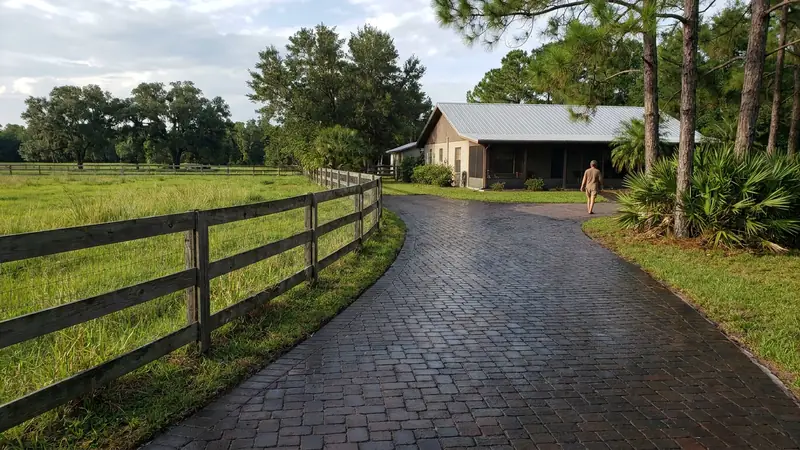
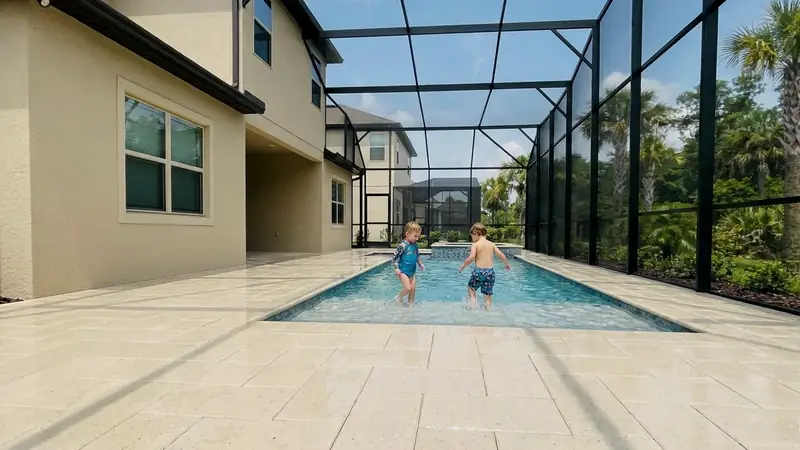
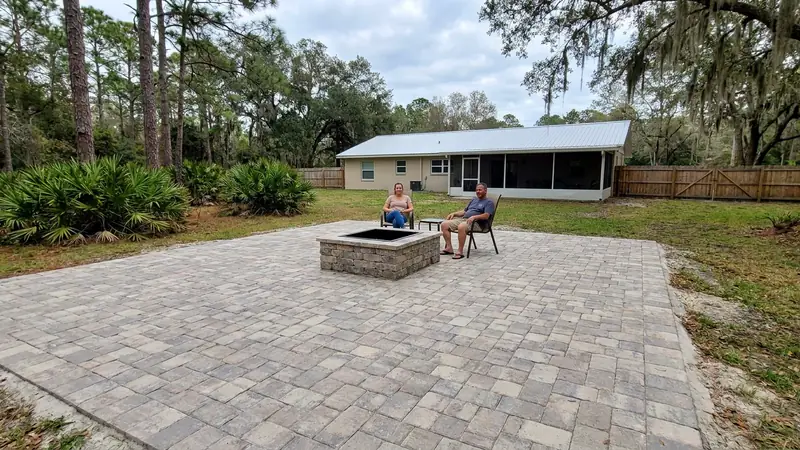
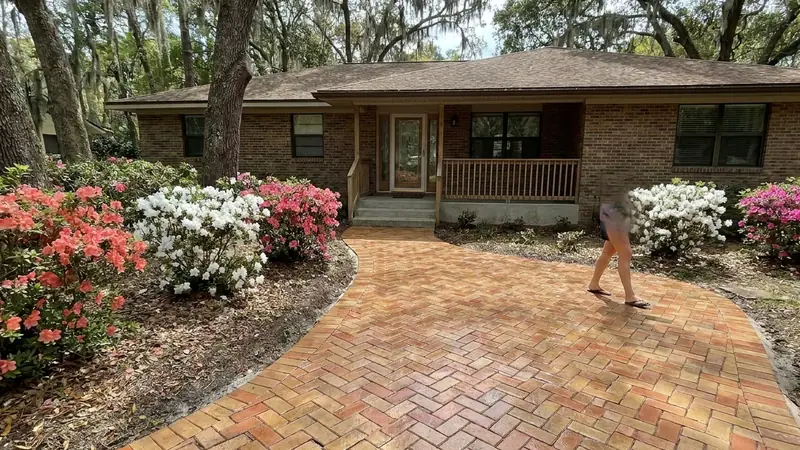
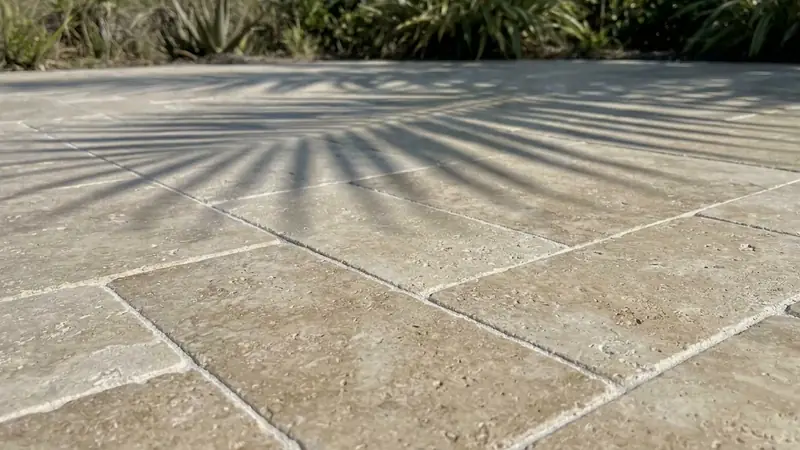
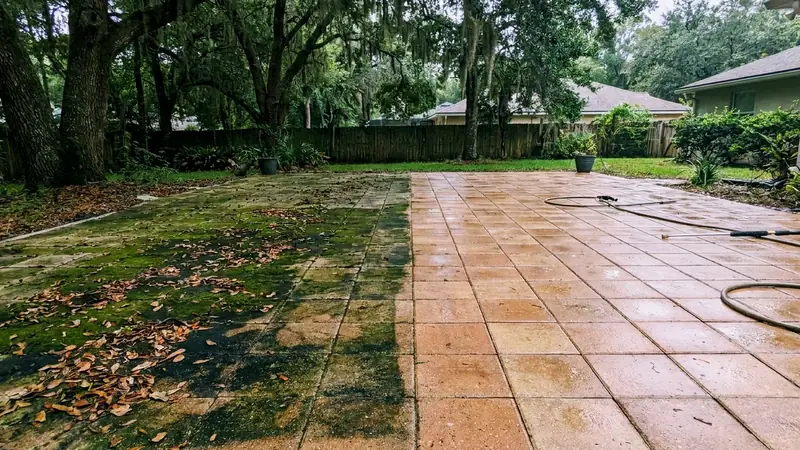
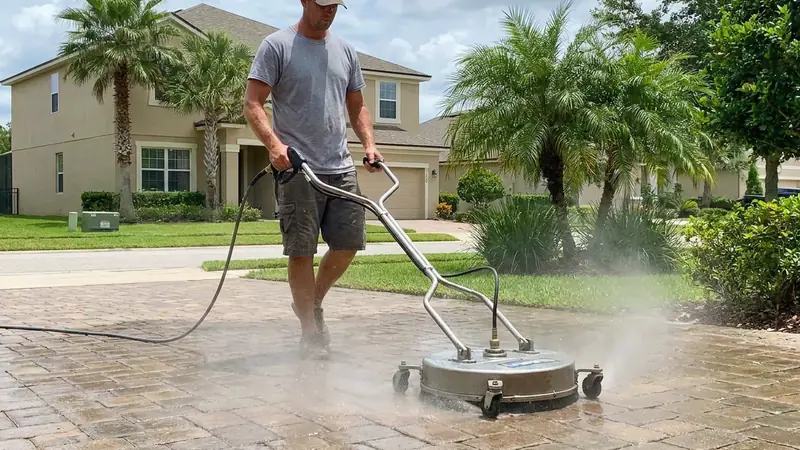
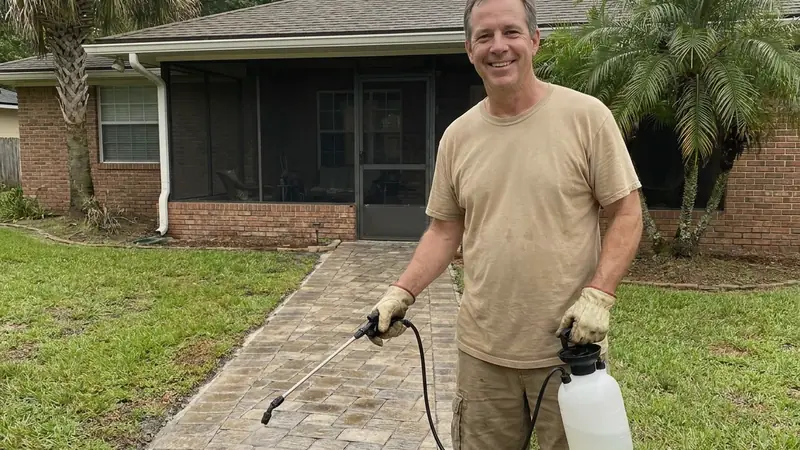
What do sealed pavers look like around San Marco?
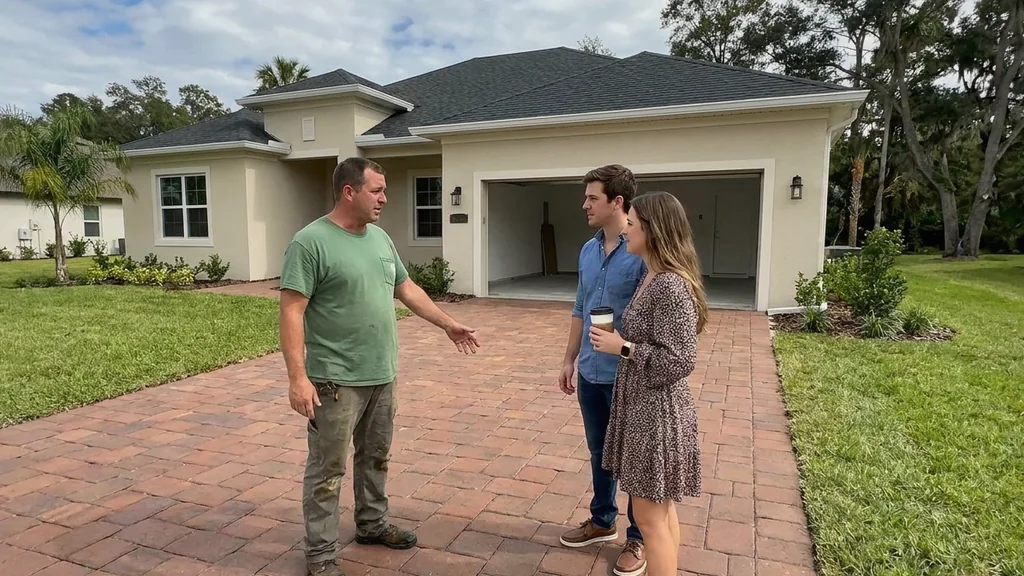
Why local matters in San Marco
A contractor who works San Marco expects brick, stone and old trees at every turn. That shapes how much cleaning comes first and what product goes on. Someone unfamiliar may treat a travertine courtyard like a plain driveway. To reach a contractor who works across the river from Downtown, call (904) 875-8988.
Rules are another place local experience helps. A contractor who has seen historic districts here knows to ask about the Certificate of Appropriateness early. The city says driveways count as site work, so it is worth a call. You can ask for a free estimate and ask how the contractor handles approvals.
Wet ground adds one more reason. Water sits high after heavy rain, and the St. Johns River is tidal and open to the ocean, so low yards near it can stay damp. A local contractor builds in extra drying time. If your yard sits low, ask for a free estimate and say so at the start.
What is the story behind San Marco, and why does it matter for pavers?
San Marco broke ground in 1925 as a Mediterranean-inspired development, and every lot sold within three hours. It sat in South Jacksonville, an independent city until Jacksonville annexed it in 1932. A 1975 preservation society still looks after the neighborhood. If your home is near San Marco Square, ask for a free estimate and say which street.
The square has a fountain with three lion statues inspired by Venice's Piazza San Marco. Treaty Oak, one of the city's oldest live oaks, stands in a seven-acre park off Prudential Drive. Marco Lake began as a clay pit for a brickworks and became a landscaped lake. Wherever you sit near these landmarks, call (904) 875-8988 and share your street name.
Frequently Asked Questions
How much does it cost per square foot to seal pavers in San Marco?
Budget $1.75 to $3.25 per square foot for the clean, sand and seal, the usual published range in Northeast Florida. Brick, travertine and failed old sealer can move a San Marco job inside that range. Ask for each surface and the total in writing, with the sealer name and finish.
Is sealing pavers worth it in Florida?
Usually, yes. In one Jacksonville paver company's words, sun noticeably fades unsealed concrete pavers within three to five years. Sealing slows that and keeps sand in the joints. Dense travertine can age well unsealed, so ask about your stone.
Can I clean, sand and seal my pavers in San Marco in one go?
Yes, that is the standard job, done in order. The contractor cleans, refills the joints with sand, lets the surface dry and then seals. Skipping the dry step can trap moisture, which a brick maker warns gets locked in.
Why is paver sealing so expensive for a San Marco courtyard?
Most of the cost is prep. Expect prep to take two to three hours for every hour the sealer is on, one Jacksonville company reports. Tight courtyards, masking around pools and stripping failed sealer add time.
What are the downsides of sealing San Marco pavers?
The main downsides are upkeep and timing. The coat wears and needs redoing, wet look finishes reveal scuffs earlier than matte ones do, and sealer needs a dry surface. A wet look can also be slippery by a pool.
Does my historic San Marco address need city approval?
That applies when your home sits in a local historic district or is a landmark. In those places the city asks for a Certificate of Appropriateness before exterior work, and driveways are one example it gives. Check the Land Development Map for your address.
Should I leave my travertine unsealed?
Not always. A Jacksonville company says high-quality travertine and dense natural stone age more gracefully unsealed. A penetrating sealer that leaves the look unchanged is another option. The contractor can test a small spot.
How often do courtyard pavers here need a fresh coat?
A Jacksonville cost guide says most pavers need resealing every three to five years. Safe Touch says every two to three years is typical in San Marco and St. Nicholas, especially in full sun. Local pages usually say a coat lasts two to five years.
Matte, satin or wet look: what suits old brick and plaster?
Matte keeps a quiet look beside historic brick and plaster. A wet look deepens color and adds shine but shows scuffs sooner. A penetrating sealer leaves stone looking almost unchanged, so ask for a test patch.
Will sealing stop weeds in the joints?
It helps. A paving trade group links weeds to lost joint sand and says a sealer that stabilizes the sand is a strong fix. You should see fewer weeds, but no one can promise that none will return.
When can we use the courtyard again after sealing?
Plan on a day. A Jacksonville sealing company gives 2 to 4 hours for walking and 24 hours for cars. Furniture and planters can go back once the contractor says the coat is ready.
Nearby areas we serve
Ready for a Free Estimate in San Marco?
Call (904) 875-8988 and tell us about your pavers.
Free, no obligation